There is nothing as annoying as losing your Headlights when you are driving at night. Some drivers have the problem of having headlights not working but high beams are working and they become confused. Such issues may affect your safety and add tension when you are in the dark or misty weather. Luckily, the causes can be as easily diagnosed as they may seem. The knowledge of what to check can save time and money. In this article, we will discuss why the headlights not working but high beams are working and how to troubleshoot it. Let’s dive in.

How Car Headlights Work
Car headlights work on a simple electric circuit intended to light up the road ahead in order to make it safe. When you switch on the headlight, it sends a signal to the circuit to turn on and supply power to the bulbs. The battery passes its power via a fuse, which guards the system against electrical overloads. The current then passes through the fuse to a relay. The relay is an electronic switch that uses a low-power command to control a higher electrical output safely.
The relay is activated, and the power is then sent straight to the headlight bulbs. These bulbs have halogen filaments, LED, or xenon gas to produce bright and visible light. When any of these links fails, the circuit may become broken. Some of the trouble points that are common include blown fuses, failed relays, damaged switches, or burnt-out bulbs. These components assist the driver in determining why the low beams not working but high beams are working properly.
The Main Types of Headlights
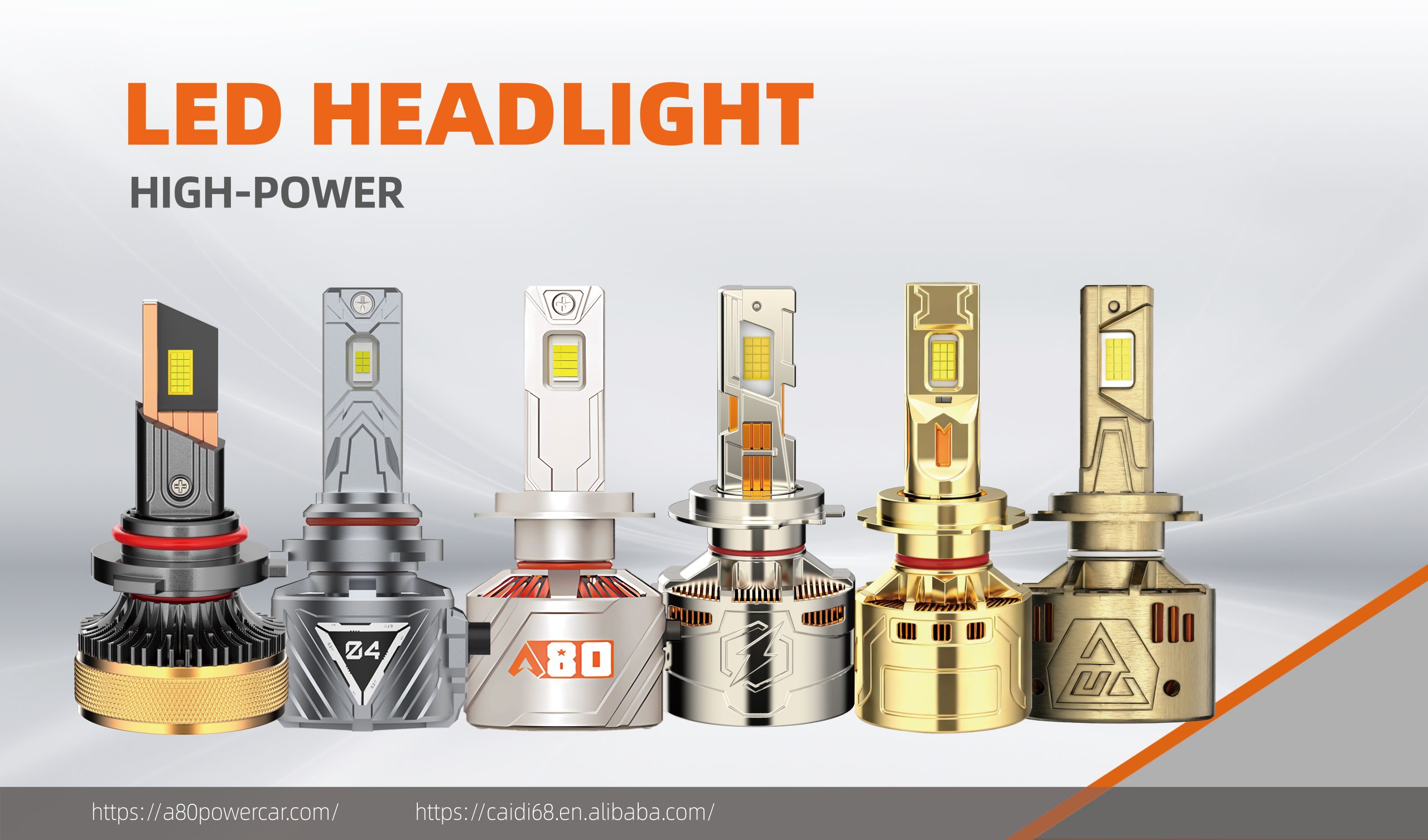
The use of halogen, LED, or HID headlights is common in modern vehicles. Halogen bulbs are cheap and simple to replace, yet they use a lot of power. LED headlights are energy-saving, lasting, and provide bright output and less heat. Even though HID headlights have more visibility and intense lights, they are costlier and may require specific replacement components over time. Let’s briefly examine their differences.
Lorem ipsum dolor sit amet, consectetur adipiscing elit. Ut elit tellus, luctus nec ullamcorper mattis, pulvinar dapibus leo.
Headlight Type | Pros | Cons |
Halogen | Inexpensive, widely available, easy to replace | Shorter lifespan, higher heat output, and less brightness |
LED | Energy-efficient, long lifespan, bright and clear light | Higher upfront cost, may require compatible housing |
HID (Xenon) | Extremely bright, excellent visibility, lower energy use than halogen | Expensive components, potential glare, specialized installation required |
Why Front Lights or Low Beam Stop Working
When you realize that your low beam lights or front lights are not functioning, there are several problems that can be causing the issue. Such as:
Electrical Issues
One of the most common causes of front lights not working is electrical problems. Bad wiring or bad grounding can break the connection of power to the low beam circuit. These problems can occur because of age, vibration, or damage from rodents. The electrical path diagnosis assists in detecting hidden faults.
Burnt Bulbs
The most common cause of low beams not working. The bulbs of the headlights are exhausted over time as a result of heat and usage. The filament may break, and only the high beams may operate. Timely replacements and regular checks ensure the absence of problems with visibility at night, as well as enhancing driving safety.
Faulty Relay or Fuse
Low beams may be stopped by a blown fuse or a broken relay. Fuses prevent overloading of the system, and relays regulate the electricity. In the event of damage, they break the circuit. The replacement of these parts is often fast, cheap, and returns them to their usual functioning state.
Corroded Connectors
Worn connectors interfere with the transmission of power, and they are common in older cars. Wetness, road salt, and dirt hasten corrosion and result in flickering or intermittent light problems. Cleaning and securing the connections increases the reliability and prevents future electrical failures.
Can These Issues Happen in New Cars?
Even the advanced systems of the modern vehicle, like daytime running lights (DRLs) and automated sensors, are not free of headlight issues. The headlights stopped working can be a result of electrical faults, software glitches, or sensor malfunctions.
Moreover, quality bulbs or connectors may break down too soon because of production mistakes or technical problems during installation. In case of sudden failure of headlights or low beam, the drivers will be able to troubleshoot the issues without panic.
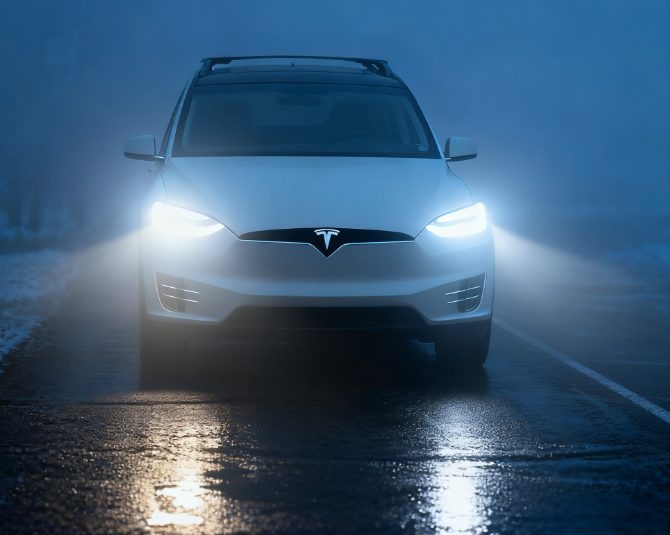
Step by Step: How to Troubleshoot Headlights Not Working
In case your Headlights stopped working, then using a step-by-step troubleshooting procedure can help in identifying the problem and repairing it effectively.
Main Tools You’ll Need
- Multimeter
- Screwdriver
- Fuse Puller
The following is the process of troubleshooting headlights not working:
Check the Bulb
The first thing is to switch off the car and disconnect the low-beam bulb. Check it to see a broken filament or blackened glass. In case the bulb is broken, replace it with another one. Test the headlights later on as well to determine whether the issue has been resolved.
Inspect Fuses and Relays
Find the fuse box and use a fuse puller to remove the headlight fuse. Look at the blown fuses and change them where necessary. Test the headlight relay and replace it with a good one to ensure that it works well.
Test Headlight Switch
Switch on the ignition and change the headlight switch. Check voltages on switch terminals with a multimeter. When no voltage is read or the switch is faulty, it is possible to replace the switch to resume normal operation of the low beam.
Examine Wiring and Grounds
Check all headlights wiring against frays, damage, or burn marks. Check grounding points for corrosion or looseness. Fix up any shattered grounds, and check the Headlights to see that the power goes and the low beams are operative.
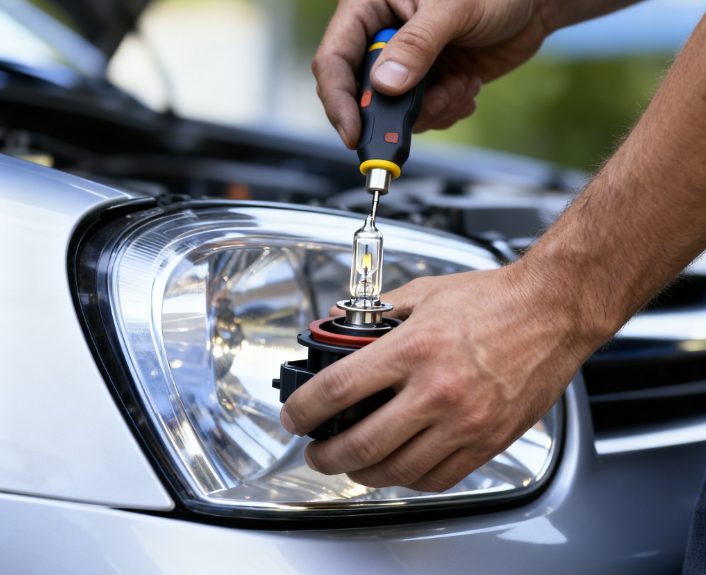
How to Choose a Reliable Replacement Headlight
These are tips that should be considered when selecting a working replacement headlight.
Match the Correct Bulb Type
Always choose a replacement headlight that is similar to the original bulb in your vehicle, e.g., halogen, LED, or HID. The right type provides an adequate beam pattern, eliminates electrical problems, and provides equal road illumination, which makes driving safe.
Check Brand Reputation
Choose the reputable brands of headlights with positive reviews. A80 is a respected brand that offers high-quality materials, stability in brightness, and quality service. When selecting trusted brands such as A80, the chances of failure or poor quality of lighting are minimized.
Verify Legal Compliance
Make sure that the new headlight complies with the rules and security requirements. Certified headlights improve visibility, minimise glare on other drivers, and ensure that your vehicle does not break the law on the roads, hence no fine or problems during checks.
Evaluate Lifespan and Warranty
Take into account the longer life of headlights and the warranty of manufacturers. Bulbs with longer life cycles also minimize replacements. A warranty saves time and money in case the headlight stopped working suddenly.
Ensure Easy Installation
Choose headlights that are easy to install, with the ideal models being plug-and-play. Easy installation will save on wiring mistakes, lower labour expenses, and ensure proper operation. This enables even non-experts to change the Headlights effectively and safely.
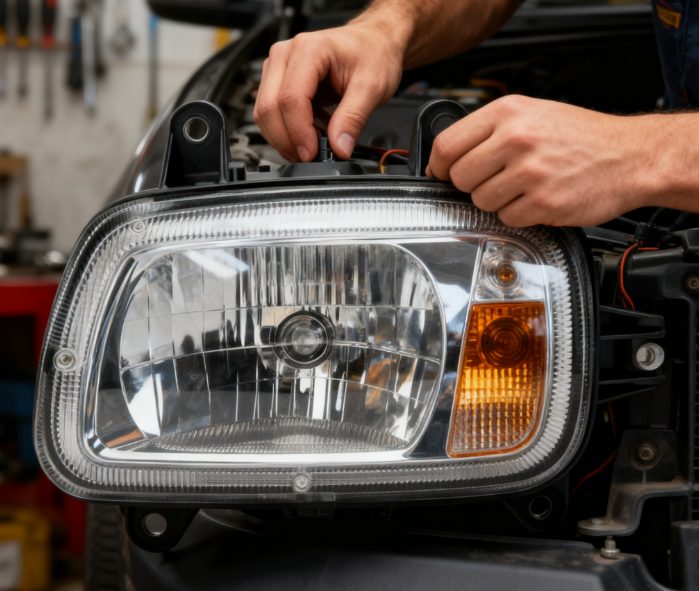
How to Check Compatibility
You must make sure that a replacement headlight matches your car’s make, model, and year before buying it. Ask the owner’s manual or the manufacturer. Check the type of bulb, connector, and mounting points. An appropriate headlight will allow proper installation, proper beam pattern, and good working performance, avoiding electrical problems.
FAQs
Why are my headlights not working but high beams work?
How do I test a headlight relay?
Can I drive with just high beams?
How much does it cost to fix low beams?
Should I replace both headlights at once?
Conclusion
Experiencing headlights not working but high beams are working, can be frustrating for any driver. Most problems stem from issues with bulbs, fuses, relays, or wiring. Regular inspections and troubleshooting prevent sudden failures. Choosing reliable replacements ensures safe nighttime driving. Proper maintenance ensures your lights function correctly, providing peace of mind on every journey.
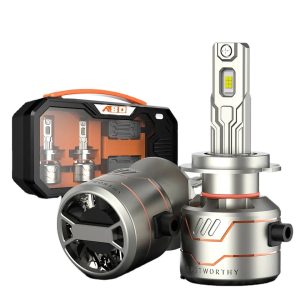
If your front lights not working or your headlights stopped working and only the high beams are working, choosing a reliable replacement becomes essential—this is where high-quality options like the A80 AR7 and AR8 headlights provide a dependable solution.
A80 AR7 Dual Copper Tube Headlight
The A80 AR7 Dual Copper Tube Headlight offers powerful output, wide compatibility, and strong durability—ideal for drivers who need reliable replacement lighting or a solid upgrade.
It delivers 200W per pair and 20,000 lumens of brightness with a clean 6000K–6500K white beam suited for everyday visibility.
Its 360-degree beam pattern and double copper tube thermal system ensure stable brightness and steady heat control in all road conditions.
Key Specifications:
- OE ports: H1 / H4 / H7 / H8 / H9 / H11 / 9005 / 9006 / 9052 / HB3 / HB4
- 200W per pair
- 20,000 lumens
- 6000K–6500K
- 80,000-hour lifespan
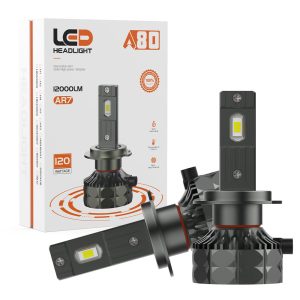
A80 AR8 Dual Copper Tube Headlight
The A80 AR8 Dual Copper Tube Headlight delivers reliable brightness and consistent performance, making it a great option for drivers seeking an affordable replacement or upgrade.
It outputs 120W and produces a 6000K–6500K cool white beam with 12,000 lumens, offering clear and stable visibility for daily driving.
With its double copper tube heat dissipation system, the AR8 maintains stable performance and controlled temperature across various environments.
Key Specifications:
- OE ports: H1 / H4 / H7 / H8 / H9 / H11 / 9005 / 9006 / 9052 / HB3 / HB4
- 120W output
- 12,000 lumens
- 6000K–6500K
- Universal 12V fit
- 80,000-hour lifespan